Preparing LA County for El Niño Season
Prepare for El Niño
El Niño can bring changing and unpredictable weather conditions, making it important to stay informed and prepared. At 211 LA, we've brought together preparation tips, updated storm resources, and direct tools to help you understand potential weather risks and prepare for possible impacts. Explore the resources below to stay informed, plan, and be ready for the season.
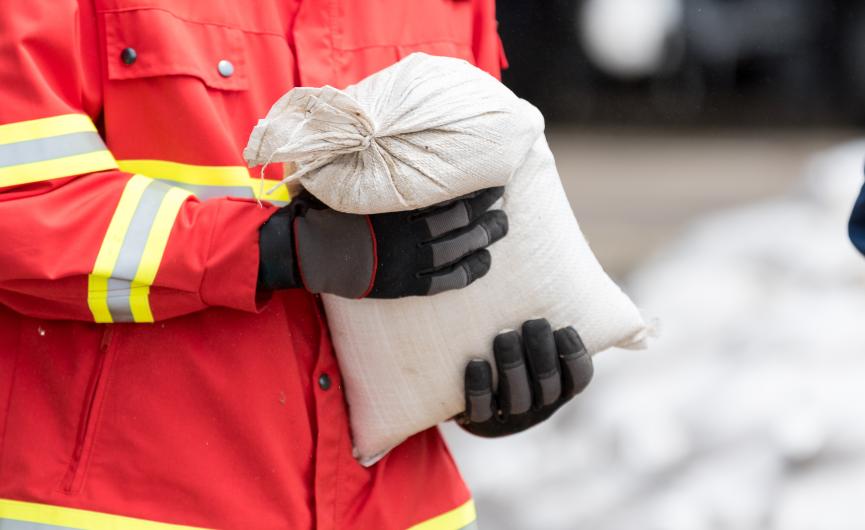
Sandbag Distribution Sites
Sandbags can help protect your home and property from stormwater and flooding. LA Public Works provides information on sandbag distribution locations where you can obtain sandbags before or during periods of heavy rain.
Distribution Map
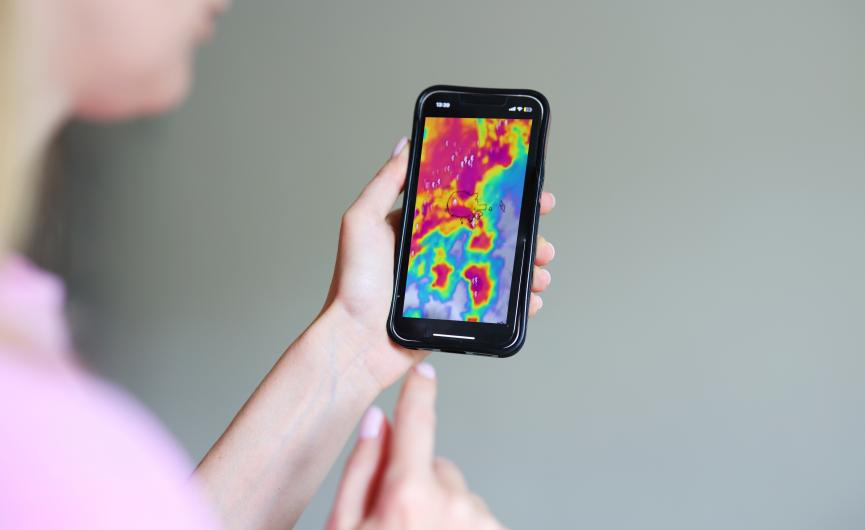
Weather Advisories
Keep track of the Los Angeles County weather forecast so you can prepare for the conditions ahead.
Weather Forecast
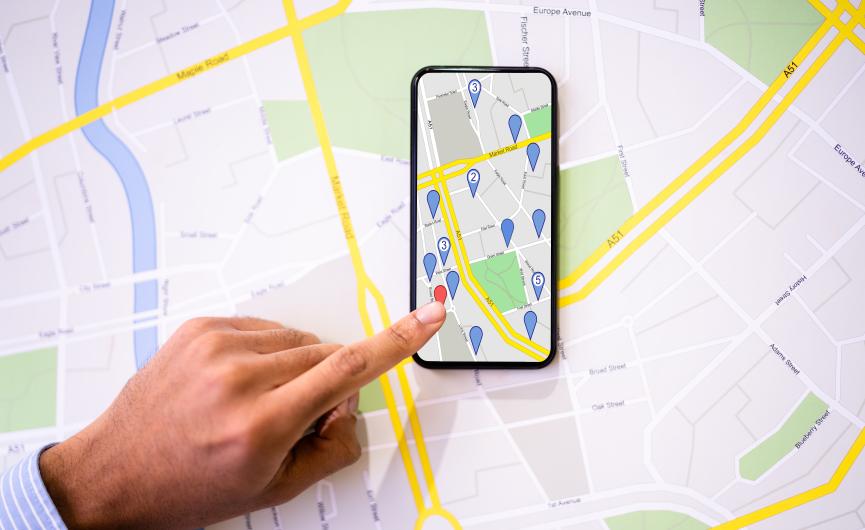
Outage Map
Stay prepared during the El Niño storms by monitoring local utilities. Use these interactive maps to track electricity and water disruptions in your area.
SCE Outage Map
LADWP Power Outage Map
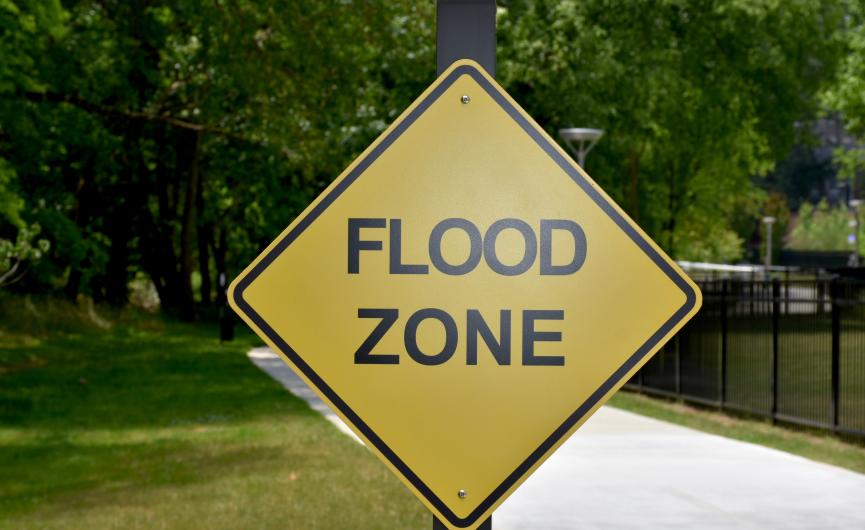
Flood Zones Determination Map
This website is a tool to check if a specific house or piece of land in LA County is at risk of flooding.
Public Safety Power Shutoff (PSPS)
High winds can cause trees or debris to damage electric lines and cause wildfires. As a result, your electric utility company may need to turn off power during severe weather. This is called a Public Safety Power Shutoff (PSPS). PSPS events are one of the ways utility companies better ensure the safety of the public.
For further information about PSPS incidents, resources, and more, please visit the link below.
PSPS
Tips to help prepare your household
Tips for at home
- Build an emergency supply kit.
Keep enough drinking water, non-perishable food, medications, flashlights, batteries, a first-aid kit, and a radio. Make sure to include supplies for children, older adults, people with disabilities, and pets. Please make sure supplies can last for a week's work. - Clean your gutters and storm drains
Remove leaves, dirt, and other debris from gutters, downspouts, and nearby drains before heavy rain arrives. - Protect important belongings and documents
Store important documents, medications, electronics, and other valuables in waterproof containers or move them to a higher location if flooding is possible. Please create copies of essential documents and capture images with your phone to scan and store them there. - Prepare your home for leaks and flooding
Check your roof, windows, doors, and other areas where water could enter. If you are in an area that is vulnerable to flooding, consider obtaining sandbags - Make a household emergency plan
If an evacuation occurs, make sure you and your family have reviewed routes out of neighborhoods and agreed on a shared meeting location to regroup.
Tips for on the road
- Check your tires before driving in the rain
Make sure your tires on your vehicles have enough tread and are properly inflated to handle weather conditions properly. - Replace worn windshield wipers
If your windshield wipers are cracking, leaving streaks, or are just worn, replace them with new ones to help see through heavy rain when driving. - Make sure your headlights and other lights are working
Inspect all lights from outside the vehicle and that they are working properly. Also clean any of the lenses to be clear and visible so you may be seen by other vehicles. - Never drive through flooded roads
Do not drive through roads that are flooded; turn around and find an alternative route.
Tips for Mobile & Staying Connected
- Sign up for Emergency Alerts.
Sign up for alert systems such as LA County Alerts and Notify LA so you can receive important emergency and weather notifications. - Keep Wireless Emergency Alerts enabled
In your phone's settings, enable Wireless Emergency Alerts to receive further information. - Save emergency websites before the storm
Have emergency and weather websites bookmarked ahead of time to assist with accessing information as soon as possible when weather conditions change. - Keep your phone charged
Always have your phone charged during a storm, as well as having a backup battery such as a portable power bank on hand to help charge your devices in case of an outage.
Other Resources
Want to learn more or prepare further? Explore these additional resources.