Earthquakes can happen without warning, but preparing ahead of time with the right tips and resources can help keep you and your loved ones safe.
Did you know that California has more than 15,700 known faults? According to the National Earthquake Information Center, approximately 55 earthquakes occur worldwide each day—about 20,000 each year.
Following the recent earthquakes in Venezuela, on June 27, 211 LA extends its heartfelt thoughts to everyone affected. These events also remind residents of Los Angeles County and Southern California to evaluate their earthquake preparedness. Past events, such as the 1994 Northridge Earthquake, highlight why preparedness remains essential.
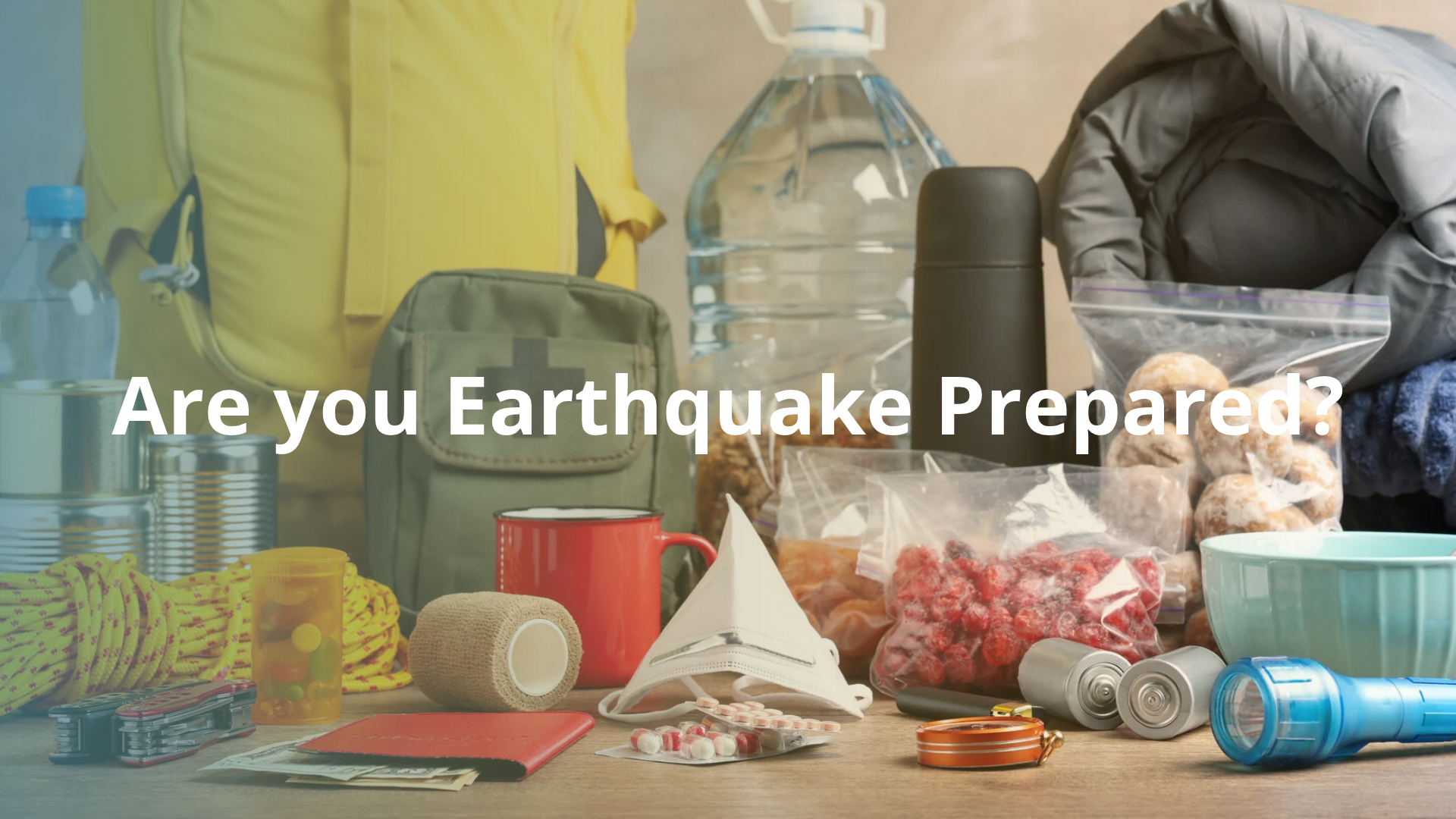
Now is the time to create a plan, build an emergency kit, and learn steps to help protect you and your family when an earthquake strikes.
Step 1: Secure Your Property Space
You can start right now, reducing hazards in your home by securing furniture, appliances, and other items that could fall or shift during an earthquake.
- Install strong latches on kitchen cabinets.
- Use flexible connections where gas lines meet appliances.
- Remove or lock refrigerator wheels and secure the refrigerator to wall studs.
- Keep breakable items in low or secure cabinets with latches.
- Hang mirrors and pictures on closed hooks and secure them to the walls with Velcro.
- Keep heavy, unstable objects away from doors and exit routes.
- Place beds away from windows or other areas where items may fall, and keep only lightweight or soft items above the bed.
- Secure knick-knacks and other small valuables with museum putty.
- Brace overhead light fixtures.
- Secure the water heater with metal straps attached to studs.
- Trim hazardous tree limbs.
- Use anchor bolts every 4 to 6 feet to secure your home to its foundation.
- Reinforce brick chimneys.
Step 2: Create an Emergency Escape Plan
Decide in advance which essential items and personal belongings to take, such as important documents, family photos, medications, and emergency supplies. Also, choose a safe meeting location where everyone can reunite after evacuating.
Step 3: Prepare Disaster Kits
If you need to leave your home quickly or shelter in place without electricity or running water. You’ll want a disaster kit.
Important items to have in mind:
- Store a fire extinguisher (ABC type is the most universal) in an easily accessible location.
- Keep several flashlights in accessible places throughout the house, along with extra battery packs.
- Know the location of your main electrical switch (fuse box or circuit breaker).
- Know whether you live, work, or play in a tsunami hazard zone.
- Obtain a NOAA Weather Radio with the Public Alert feature to receive notifications about tsunamis and other hazards.
- A set of clothes, appropriate for the season
- Heavy gloves (suitable for cleaning debris and chemicals)
- First Aid Kit
- Face mask to protect from dust and debris
- Copy of photo ID/driver’s license and utility bill
- Medications (both prescription and over-the-counter medications) and medical supplies
- Eye glasses
- Walking stick
- Oxygen or nebulizer supplies
- Blood glucose tester
- Feeding equipment
- Hygiene Supplies
- Soothers/calming items
If you are a pet owner, consider an additional or separate Earthquake kit for your pet. Items can include:
- Sturdy leashes, harnesses, and/or carriers to transport pets safely and ensure that they can’t escape.
- Food, drinking water, bowls, a litter pan, and a manual can opener if your pet eats canned food.
- Medications and copies of medical records stored in a waterproof container.
- Current photos of you with your pet(s) in case they get lost. Since many pets look alike, this will help to eliminate mistaken identity and confusion.
- Number of your veterinarian in case you have to foster or board your pets.
- Pet beds and toys, if easily transportable.
Step 4: During the Earthquake
Drop
Drop where you are onto your hands and knees. This position protects you from being knocked down and reduces your chances of being struck by falling or flying objects.
Cover
Cover your head and neck with one arm and hand.
- If a sturdy table or desk is nearby, crawl underneath it for shelter.
- If no shelter is available, move next to an interior wall.
- Stay on your knees and bend over to protect your vital organs.
Hold
Hold on until the shaking stops.
- If you are under shelter, hold on to it with one hand and be prepared to move with it if it shifts.
- If no shelter is available, protect your head and neck with both arms.
Step 5: Be ready for Public Safety power shutoffs (PSPS)
Power outages can occur in an instant during or after an earthquake. Here in California, electric utilities such as Southern California Edison (SCE) may implement a Public Safety Shutoff (PSPS) to reduce the risk of wildfires during dangerous fire weather conditions, which can result from strong winds, low humidity, and dry vegetation. These power cuts are conducted for public safety.
Step 6: After the Initial Shaking Stops
- Check yourself and those around you for injuries.
- Check your surroundings for damage.
As the shaking stops, do not run outside. It may be safer to remain indoors and away from falling power lines, trees, poles, or other hazards. If it’s not safe for you to stay in your home during an emergency, it’s not safe for your pets either! Contact your insurance company to report your situation, and watch for local, state, and federal assistance, including FEMA financial assistance. More information can be requested by calling 2-1-1.